About Cargo Stack
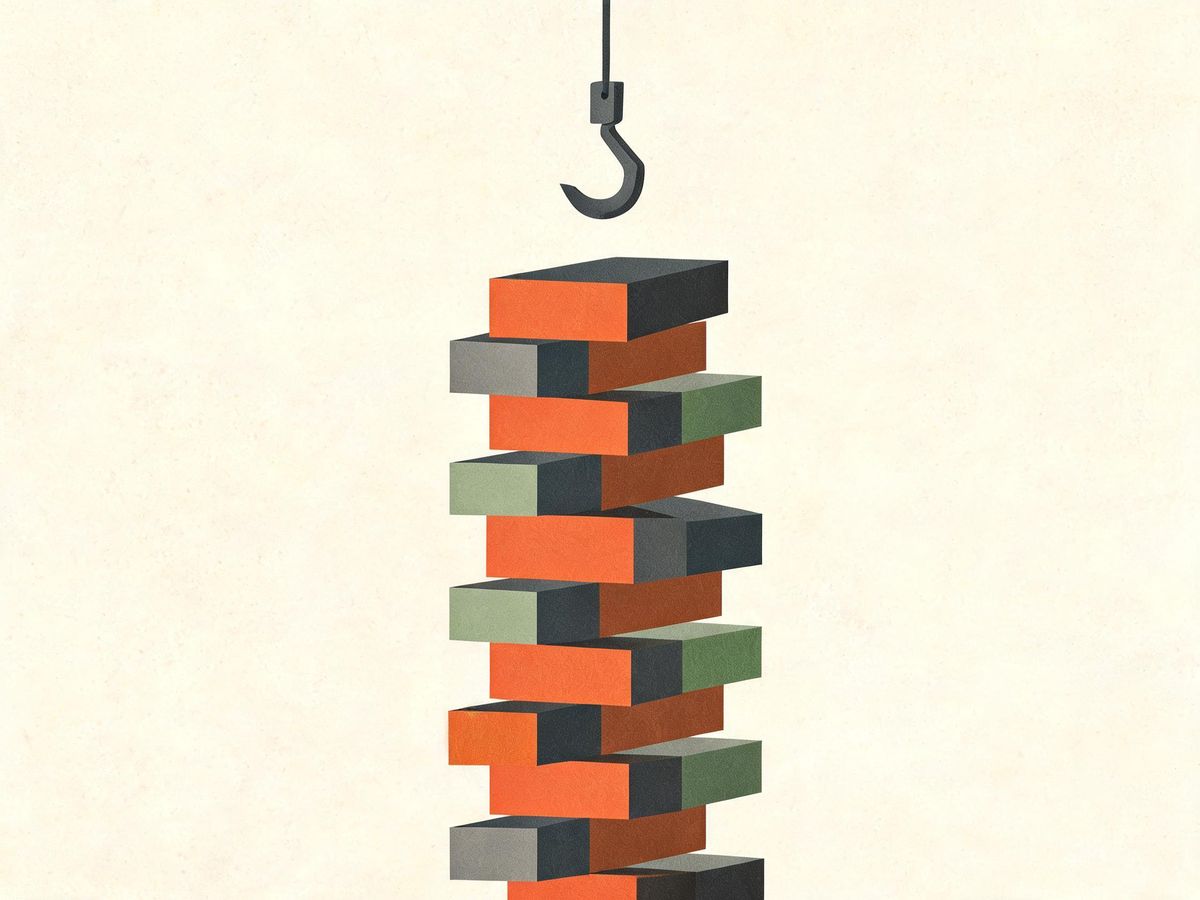
A crane carries crates across the top of the screen, and gravity takes over the moment you tap. Every drop has to land squarely on the stack; a crate that clips the edge or misses the platform is gone. The swing gets quicker as the tower rises, turning a simple rhythm into a test of nerve. Twenty clean drops completes the run, but three misses ends it.
How to play
- Tap play, then watch the crane as it moves a crate into view.
- Tap the screen to release the crate and let it fall.
- Aim for the center of the stack so the tower stays balanced.
- Keep dropping until twenty crates stand in a steady stack.
- Avoid three missed crates, which ends the run immediately.
Tips and strategy
- Release when the crate is centered over the stack, not when the crane reaches the edge.
- Favor the middle of the stack, even when an edge looks tempting.
- Use the first few drops to establish a stable base on the platform.
- Watch the crane's speed rather than the crate once you know the timing.
- After a near miss, slow your rhythm for one drop before pushing again.
Cargo Stack is a single-player browser game. It runs entirely in your browser, needs no account, and saves nothing on our servers.
Questions about Cargo Stack
How many crates do I need to stack?
The target is twenty crates in a single run. Each successful landing counts, and the counter near the top shows how far you have to go. Missing three crates ends the attempt before the target.
Is Cargo Stack controlled by tapping only?
Yes. Tapping releases the crate from the crane, and that is the whole control scheme. Timing is the skill; no dragging or aiming is required, which makes it comfortable on a phone.
Does the game speed up?
The crane's movement gets faster as your stack grows, so the safe window for each drop narrows. Early crates are forgiving; later ones demand a quicker read of the crane's position.